How to Crate Train a Puppy: A Step-by-Step Guide
A crate gives your puppy a safe, calm place to rest. Here is how to introduce it gently and avoid common mistakes.

Used well, a crate becomes a puppy’s bedroom: a quiet den for rest, a helpful tool for house training and a safe way to travel. The secret is making it a positive place from day one.
Choose the right crate
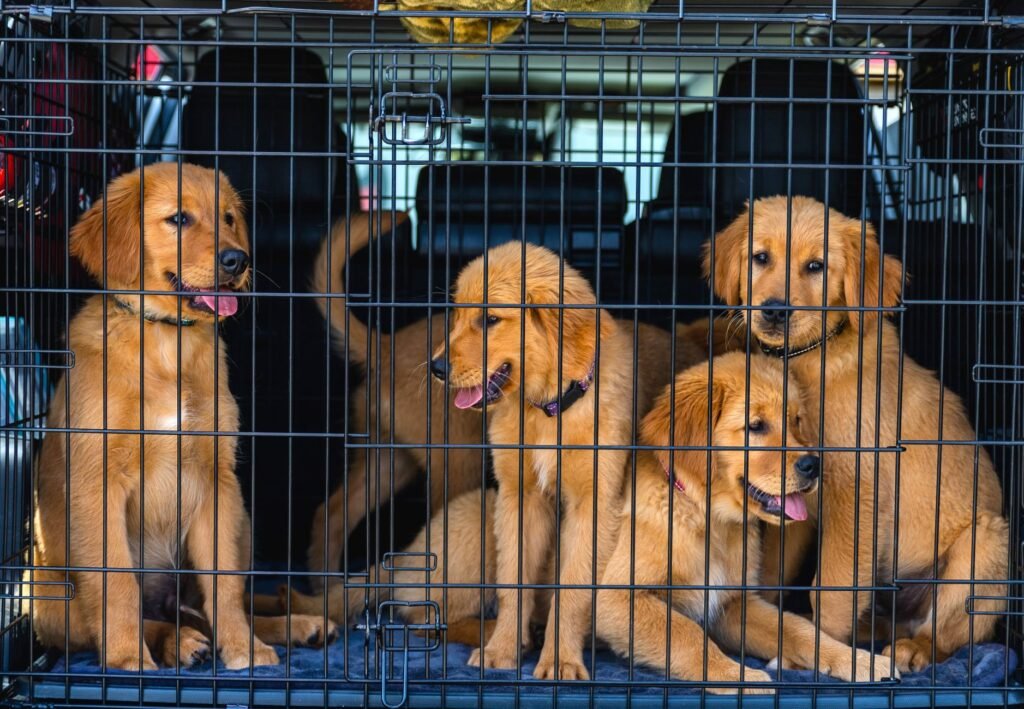
Pick a crate large enough for your puppy to stand up, turn around and lie down comfortably, but not much bigger. Many crates include a divider so you can adjust the space as your puppy grows. Add a washable bed and a safe chew toy.
Introduce it slowly
- Leave the door open and toss treats inside so your puppy explores on their own.
- Feed meals near the crate, then inside it.
- Close the door for a few seconds while your puppy eats, then open it before they get upset. Add time gradually.
Build up the time
Start with five to ten minutes while you are in the room, then step out of sight for short periods. Young puppies cannot wait as long as adult dogs. As a rough guide, many can hold their bladder about one hour for every month of age, up to a limit, so plan frequent potty breaks after sleeping, eating and play.
Mistakes to avoid
- Never use the crate as punishment.
- Do not leave a young puppy crated for long stretches during the day.
- Wait for a calm moment before letting your puppy out so whining is not rewarded.
If your dog panics or tries to injure themselves escaping, stop and ask a veterinarian or certified trainer for help.
Establishing a Strategic Overnight Routine
Setting Up the Bedroom for Emotional Security
Puppies often experience significant stress when they are first separated from their littermates and mother during the transition to a new home. Placing the crate in your bedroom for the initial weeks provides a vital sense of security through your scent and the audible sound of your breathing. This proximity also allows you to monitor the puppy closely and respond quickly if they wake up needing an urgent bathroom break. You can gradually move the crate toward its permanent location once the puppy is sleeping through the night consistently and feels confident in the environment.
- Choose a well ventilated spot away from direct drafts or heaters.
- Include a piece of your recently worn clothing to provide a comforting scent.
- Use a crate cover to block out visual stimuli that might cause alertness.
Managing Midnight Potty Breaks Without Reinforcing Whining
When a puppy whines in the middle of the night, it is crucial to distinguish between a genuine need to eliminate and a simple desire for attention. You should carry the puppy directly to the designated potty spot without speaking, playing, or turning on bright lights. Once they have finished their business, place them back in the crate immediately with a very small, calm reward and no further interaction. This approach teaches the puppy that nighttime exits are strictly functional and do not result in social playtime or extra snacks.
Maturation and the Evolution of the Sleep Schedule
As your puppy grows, their physical ability to hold their bladder increases and their sleep cycles begin to stabilize. Most young dogs can hold their bladder for approximately one hour for every month of age, though this varies significantly by breed and individual health. Small breeds might require more frequent breaks than larger breeds even as they age into adolescence. By the time a puppy reaches five months, they are typically capable of sleeping for seven or eight hours without needing a break. Adjusting the final water intake of the evening to be roughly two hours before bedtime can significantly help them succeed in staying dry through the night.
Utilizing the Crate for Enrichment and Behavioral Regulation
Mealtime Integration for Positive Association
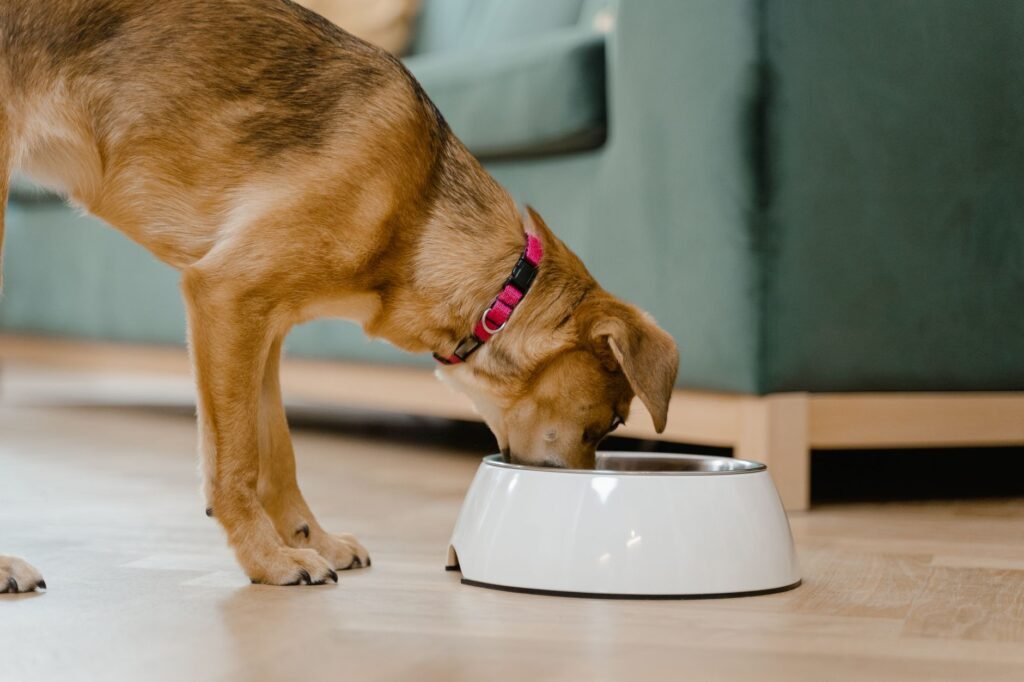
Feeding regular meals inside the crate is one of the most effective ways to build a strong, positive association with the confined space. You should begin by placing the food bowl just inside the door and then gradually move it toward the back over several feeding sessions. This method encourages the puppy to enter the crate voluntarily and stay focused on a highly rewarding activity while inside. Eventually, you can close the door while they eat and open it immediately after they finish to build comfort with short periods of confinement.
- Measure out the correct portion size according to veterinary recommendations.
- Use a heavy, non tip bowl to prevent messes inside the crate.
- Stay nearby during the first few sessions to offer quiet praise.
Safe Occupation and Mental Stimulation Techniques
The crate should be viewed as a zone for calm mental engagement rather than just a place for sleep or temporary confinement. Providing a hollow rubber toy stuffed with puppy safe food or a small amount of plain yogurt can keep them occupied for significant periods. This type of enrichment helps prevent boredom and reduces the likelihood of the puppy developing destructive chewing habits. Always supervise your puppy with any new toys to ensure they do not break off and swallow small pieces of the material, which could pose a choking hazard.
Incorporating Scheduled Naps for Behavioral Health
Puppies frequently become overstimulated and exhibit difficult behaviors like nipping or frantic running when they are overtired. Using the crate for scheduled naps throughout the day helps regulate their energy levels and ensures they get the rest they require for healthy development. A common recommendation from professional trainers is a ratio of two hours of sleep for every one hour of active awake time. This structured rest provides the puppy with the downtime needed to process new information and maintain a stable temperament throughout the evening.
Adapting Crate Skills for Travel and Professional Environments
Vehicle Safety and Long Distance Transportation
A crate is the safest way for a puppy to travel in a car because it prevents them from distracting the driver or moving around the cabin dangerously. It is essential to secure the crate with a seatbelt or cargo straps to ensure it does not slide or tip during sudden stops or sharp turns. You should start with very short trips around the block to acclimate the puppy to the motion of the vehicle while they are in their safe space. This preparation is vital for ensuring that future trips to parks or vacation spots are stress free for both the pet and the owner.
| Trip Stage | Action Item | Expected Outcome |
|---|---|---|
| Preparation | Secure crate in the back seat | Stability and physical safety |
| Short Drive | Five minute trip with treats | Positive association with movement |
| Longer Drive | Include a familiar chew toy | Calmness and relaxation |
Preparation for Stressful Veterinary and Grooming Visits
Many professional pet facilities use crates to keep animals safe during transitions or while they wait for specific medical procedures. If your puppy is already comfortable and relaxed in a crate at home, they will experience significantly less stress when placed in one at the clinic. You can bring a familiar blanket or towel from home to provide a recognizable scent during the appointment. This familiarity helps lower their cortisol levels and makes the entire professional experience much more manageable for the puppy and the veterinary staff.
Maintaining Routine During Travel or Houseguest Stays
When staying in a hotel or visiting relatives, the crate serves as a portable piece of home that provides a sense of continuity for your puppy. It prevents the puppy from damaging unfamiliar property and ensures they do not ingest dangerous items in an environment that has not been properly puppy proofed. Keeping the feeding and potty schedule as close to the home routine as possible will help minimize any anxiety related to the change in location. The crate acts as a physical boundary that signals it is time to relax despite the many distractions of a new environment.
Monitoring Physical Health and Hygiene Standards
Understanding Biological Capacity and Scheduling
Puppies possess limited physiological control over their bladder and bowels during the initial months of their lives. A standard veterinary guideline suggests that a puppy can generally control their elimination for one hour for every month of their age, although this should be viewed as a maximum limit rather than a goal. For example, a two month old puppy may only be able to stay in a crate for two or three hours before needing a bathroom break. It is essential to align the crating schedule with the puppy’s natural digestive rhythm and the transition from milk to solid food to minimize the risk of accidents. Consistent scheduling prevents the puppy from being forced to soil their sleeping area, which can damage their natural instinct for cleanliness.
- Age of the puppy in months
- Recent water and food consumption
- Level of physical activity before entering the crate
- Individual health factors or medications
Maintaining a Sanitary Environment
A clean crate is fundamental to the health of your puppy and the success of the house training process. If an accident occurs, it is imperative to use an enzymatic cleaner specifically designed for pet waste to ensure all biological traces are removed. Standard household cleaners often fail to break down the uric acid crystals, which can lead the puppy to believe the crate is an appropriate place for elimination. Regularly washing any bedding and wiping down the crate walls will prevent the buildup of bacteria and unpleasant odors that could cause respiratory irritation. Keeping the environment pristine encourages the puppy to view the crate as a comfortable and safe den.
| Frequency | Action Required |
|---|---|
| Daily | Remove waste and wipe down the floor pan. |
| Weekly | Wash all soft bedding and toys. |
| Monthly | Deep clean the entire crate structure with pet safe disinfectant. |
Identifying Signs of Physical Distress
It is critical for owners to learn the difference between vocalizations of protest and genuine signs of physical or psychological distress. A puppy who is simply unhappy about being confined may bark or whine for a short period before settling down to sleep. In contrast, a puppy in distress may exhibit heavy panting, dilated pupils, or excessive salivation that leaves the floor of the crate damp. If you notice these symptoms or any self inflicted injuries from trying to chew the bars, you must stop the session immediately. Consult a veterinarian to ensure the puppy is healthy and to discuss alternative management strategies.
Integrating Advanced Command Training and Cue Recognition
Developing the Go to Bed Verbal Command
Once the puppy is comfortable entering the crate for food, you should introduce a specific verbal cue to formalize the behavior. Choose a short and distinct word such as kennel or bed and use it consistently every time you direct the puppy toward the crate. You should say the word exactly once as the puppy begins to move toward the entrance, followed by immediate praise once they are fully inside. This process transforms the crate from a place where the puppy is placed into a destination they choose to go on command. Over time, the puppy will learn to respond to the verbal cue from across the room without needing a food lure.
- Choose a unique verbal cue
- Use a hand gesture to guide the puppy
- Reward the puppy only when all four paws are inside
- Gradually phase out the use of food lures
Utilizing Crate Games for Focus and Impulse Control
Training exercises known as crate games are excellent for building a puppy’s focus and teaching them to remain calm when the door is open. One effective exercise involves opening the crate door a few inches and closing it immediately if the puppy tries to rush out. You only fully open the door and allow the puppy to exit once they are sitting or lying down quietly and you have given a release word. This teaches the puppy that the open door is not a signal to bolt, but rather a cue to wait for further instruction. These games strengthen the bond between the owner and the puppy while reinforcing the crate as a place of disciplined relaxation.
Navigating Adolescent Developmental Shifts and Crate Maintenance
Managing Regression During the Teenage Phase
Many dog owners are surprised to find that a previously well trained puppy may begin to resist the crate during adolescence, which typically occurs between six and eighteen months of age. This period of development is characterized by increased independence and a desire to explore the environment more freely. If your adolescent dog begins to whine or bark in the crate again, it is important to remain patient and avoid punishing the behavior. Instead, you should revisit earlier training steps to reinforce the positive associations the dog has with their private space. Maintaining a strict and predictable daily routine is the best way to navigate this temporary phase of development.
- Increase the value of treats given in the crate
- Ensure the dog has adequate mental stimulation outside the crate
- Check that the dog has not physically outgrown the crate
- Maintain a strict and predictable daily routine
Evaluating the Long-Term Role of the Crate
As your puppy reaches full maturity and demonstrates reliable house training and behavior, the crate’s role in your home may evolve. Some owners decide to remove the crate door or leave it open permanently so the dog can use it as a voluntary den. It is highly recommended to keep the dog familiar with the crate even if it is not used daily, as this makes future situations like boarding or veterinary stays much less stressful. A dog who views their crate as a permanent safe haven will always have a familiar place to retreat to when they feel overwhelmed or tired. Keeping the crate in a quiet corner of the house ensures it remains a peaceful sanctuary throughout the dog’s life.
Frequently Asked Questions
Where is the best place to put the puppy crate?
Place the crate in a quiet area of a room where your family spends time, such as the living room. This allows the puppy to feel included while still having a private space to rest.
Should I put a water bowl inside the crate?
For short periods, water is not usually necessary if the puppy is hydrated. If they will be crated for longer, use a clip-on spill-proof bowl to prevent a mess and keep them comfortable.
Is it okay to cover the crate with a blanket?
Many puppies feel safer in a dark, den-like environment. You can drape a light blanket over the top and sides, but ensure there is plenty of airflow to prevent overheating.
What should I do if my puppy cries during the night?
First, take them outside for a calm, boring potty break to ensure their needs are met. If they continue to cry, moving the crate into your bedroom can provide the comfort of your presence.
The Bottom Line
Crate training is a rewarding process that provides your puppy with a secure personal sanctuary. By using positive reinforcement and moving at your pet's individual pace, you can ensure the crate remains a happy place. Patience and consistency are the keys to helping your new companion feel safe and relaxed in their own space.
This article is general pet care information and not a substitute for advice from a licensed veterinarian.